
How-to Guide
Community wind
Onshore wind is the cheapest source of new electricity in Britain, and after nearly a decade of effective prohibition in England it is being built again. Community ownership is what turns a wind project from something done to a place into something done by it, and it keeps the money local.
This page explains where onshore wind policy now stands, how to work out whether your area could host a turbine, where to find funding and expertise, and how to connect with other people doing the same thing through our Wind Working Group.
Why community wind
The government’s Clean Power 2030 Action Plan assumes 27 to 29GW of onshore wind by 2030, roughly double what is currently operational across England, Scotland and Wales. England contributed almost none of that growth for a decade. That is the gap community energy is well placed to help fill.
Public support is not the obstacle it is often assumed to be. Around seven in ten people support onshore wind, and roughly 37% say they would be happy for a wind farm to be built in their local area (DESNZ Public Attitudes Tracker, 2025). That figure rises above 60% when the project is community-owned (Common Wealth, January 2025).
Community ownership also delivers far more locally. Research into Scottish projects found that community-owned wind returned around 34 times the community benefit of commercially owned schemes, against a voluntary industry benchmark of £5,000 per MW per year. Ownership, not compensation, is what keeps the value in the area.
Where the policy stands
The ban is gone. The de facto ban on new onshore wind in England was lifted on 8 July 2024, with the National Planning Policy Framework amended so that onshore wind applications are treated in the same way as other energy development proposals.
There is a delivery plan, and community energy is at the table. The Onshore Wind Taskforce Strategy, published in July 2025, is the government’s first dedicated strategy for onshore wind. It commits to 42 actions across planning, grid, supply chains and workforce, financing, communities and aviation. The Onshore Wind Industry Taskforce that produced it ran from July 2024 to April 2025 and has now completed its work. Delivery is overseen by the Onshore Wind Council, which meets at least three times a year and publishes its minutes. Community energy has two voices on it: our own Duncan Law, Head of Policy and Advocacy, and Mike Smyth, Chair of Energy4All. We are pressing for community-owned projects to be treated as a distinct and valuable route to delivery, not an afterthought.
Large schemes have a different route. Onshore wind projects in England above the relevant threshold can once again be consented through the Nationally Significant Infrastructure Projects regime rather than by the local planning authority. Most community-scale projects will still go through their local planning authority.
Community benefits and shared ownership are still undecided. In May 2025 DESNZ published a working paper on making community benefits mandatory for low carbon energy infrastructure, and on whether to use the shared ownership powers in the Infrastructure Act 2015. It closed on 16 July 2025. We responded jointly with Community Energy Scotland and Community Energy Wales, arguing that community benefit payments, however welcome, are no substitute for shared ownership, which delivers far more local value and far more genuine buy-in. We also proposed setting benefits as a share of project revenue rather than the flat £5,000 per MW benchmark, which has been largely ignored outside onshore wind. The government has not yet published its response.
You can read all of our wind-related consultation responses on our policy responses page.
Find a site with VoteWind
VoteWind.org lets anyone find and vote for good community wind sites anywhere in the UK. It was built by Open Wind Energy and Community Energy England on behalf of the Energy Learning Network, and it builds on the earlier WeWantWind.org tool from the same developer.
Enter a postcode or use your location and the map shows you:
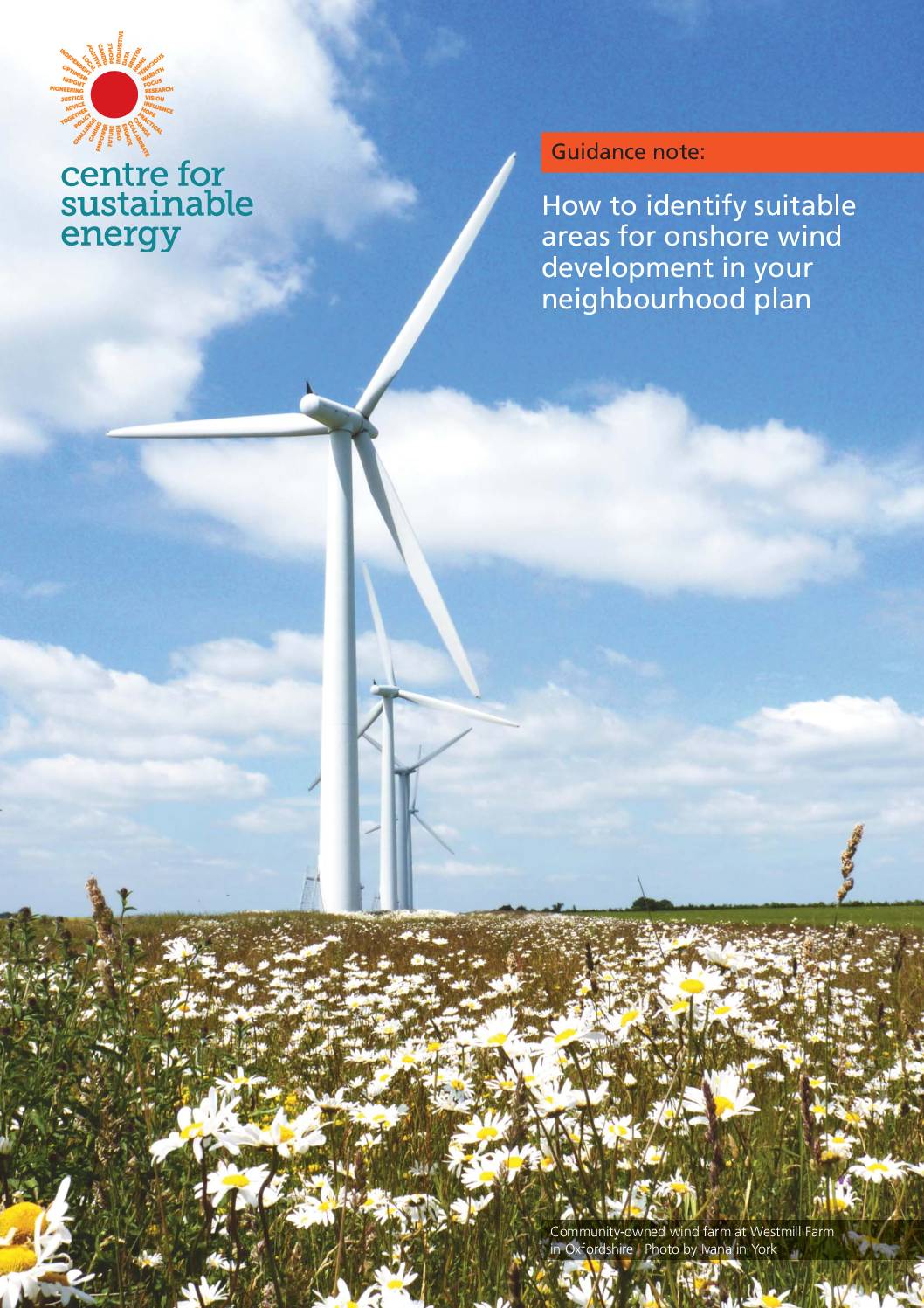
- Planning constraint layers for turbines from 100m to 200m height to tip, based on the Centre for Sustainable Energy’s methodology
- Wind speed and distance to the nearest electricity substation for any point you pick
- A viewshed and 3D visualisation so you can see how visible a turbine would actually be, including from where you are standing
- The five nearest community energy groups once you have voted, so an idea can find people to take it forward
- A UK-wide leaderboard of where people want turbines
More detailed constraint layers are available on area-specific subdomains such as east-sussex.votewind.org. All the data and code are open under CC BY 4.0, which means communities, councils and statutory consultees can work from an identical site selection methodology and avoid duplicating expensive early feasibility work.
Watch the demo:
Also worth a look: the VoteWind guide, resources and about page.
If your group is not on the VoteWind map yet, email [email protected] and they will add you.
Join our Wind Working Group
Our Community Wind Working Group emerged from the Love Wind webinar in February 2026. It is a space for people developing, supporting or simply learning about community-owned wind, and a way to share problems and solutions rather than everyone solving them separately.
You can see all of our groups on the working groups page, and request joining instructions using this short form.
Getting a project started
It’s worth being honest about the scale of the undertaking before you start. Community wind projects are long, and they carry a genuine risk of not making it to construction. Expect the process to test your team’s patience as much as its technical skill.
You will very likely need outside expertise at almost every stage, from wind resource assessment through to planning and grid connection. Sticking close to approaches that have already worked for other groups, rather than trying something untested, gives you a much better chance of getting through.
Every project is different, and few move through the steps below in a clean straight line. Expect to revisit earlier ones as circumstances change.
- Build your team. Very few groups do this alone, and the skills you need, communication, administration, project management, financial modelling, are worth having in place from the outset rather than assembling later. Members and partners with onshore wind experience include Sharenergy, Energy4All, Community Power Solutions, Thrive Renewables and Ennovus. Our supplier listing is also a good starting point.
- Check what’s already been tried, then screen your area. The Renewable Energy Planning Database shows previous UK renewable planning applications, including refused and lapsed ones. Some wind sites that failed under the old planning regime, or lapsed for reasons unrelated to the site, may be revivable now. Then use our VoteWind.org tool to find and rule out candidate sites before spending any money. Wind speed, proximity to a substation, and landscape, heritage, ecology and aviation constraints will narrow the field quickly.
- Build community support early, but hold the detail until you have a plan. Talk to people about local, low-cost energy and start building a base of support well before you have a fixed site or proposal. Save the detailed, site-specific consultation for once you have something worth showing people. Going public on specifics too early, before you can answer the obvious questions, tends to generate more opposition than it heads off.
- Find a willing landowner. Every turbine needs a host site. That might be council land, community-owned land, a farm or an estate. Landowners are paid a competitive rent, and a local authority landowner may also be open to sharing ownership. Land Explorer is a useful tool for finding out who owns land near you.
- Check the grid. An early conversation with your DNO about connection cost and timescale can save years. Grid is now as common a blocker as planning.
- Pick a realistic scale. A single MW-scale turbine is a serious undertaking but a proven one. Also consider repowering an existing site, or negotiating a shared ownership stake in a commercial development near you, which gets community ownership without carrying all the development risk.
- Get development funding in place. Early-stage feasibility and development work is the hardest thing to fund and the thing that determines whether a project happens. See Funding below.
- Plan the route to construction finance. Once a project is de-risked and consented, commercial finance and community share offers both become realistic. Think about your power purchase agreement early, as it underpins the financial model.
Our Wind Working Group is currently working on An Introduction to Community Wind. We’ll add to this page once its ready.
Funding
The Great British Energy Community Fund, formerly the Community Energy Fund, funds feasibility and development work for community energy projects, wind included. It is delivered through the regional Net Zero Hubs, so your first step is a conversation with your hub. See our Great British Energy Community Fund page for the current position on rounds and deadlines.
Our funding and opportunities page lists other open funds, and our share offers page shows groups that are currently raising risk capital using community share or bonds.
Videos
Some of the latest videos on our Community Wind playlist on YouTube.
This webinar was all about the potential of community-owned onshore wind to deliver clean energy, local resilience, and community benefit.
We heard from:
- Als Parker, Director at Greenstoker
- Louise Daniels, Head of External Affairs at Thrive Renewables
- Dave Green, Development Manager at Sharenergy
- David Tudgey, Co-Founder and Community & Development Director at Community Power Solutions Ltd.
- Stefan Haselwimmer, creator of WeWantWind.org, OpenWind.energy and VoteWind.org
Ambition Community Energy is the community-owned energy company set up by residents of Lawrence Weston in Bristol.
This film tells the story of how they came to own England’s tallest wind turbine. The turbine now powers around 3,500 homes, roughly the same number as in the community that owns it, with all surplus returning to the area.
We hear from:
- Mark Pepper, Energy Consultant at Ambition Lawrence Weston
- David Tudgey, who led the project for Ambition Lawrence Weston and is now Co-Founder and Community & Development Director at Community Power Solutions Ltd
This Regen webinar explored what’s needed for onshore wind to thrive in England, the importance of meaningful community engagement, shared ownership, and community benefits as key factors for successful projects.
Speakers included:
“From idea to reality” was an online inquiry event to help community energy practitioners in the process of developing onshore wind projects.
Speakers included:
- Dave Tudgey, Bristol Energy Network, Community Power Solutions Ltd
- Charles Gamble, Ambition Community Energy C.I.C. Community Power Solutions Ltd
- John Malone, Energy4all
- Erin Murchie, Renantis
Further reading
A Second Wind: Unleashing the Potential of Repowering (April 2026)
Download (PDF, 10MB) A Second Wind: Unleashing the Potential of Repowering (April 2026)
Community Benefits Guidance for Onshore Wind in England (June 2025)
Download (PDF, 2MB) Community Benefits Guidance for Onshore Wind in England (June 2025)
Onshore Renewable Energy: Common Myths (November 2024)
Download (PDF, 6.8MB) Onshore Renewable Energy: Common Myths (November 2024)
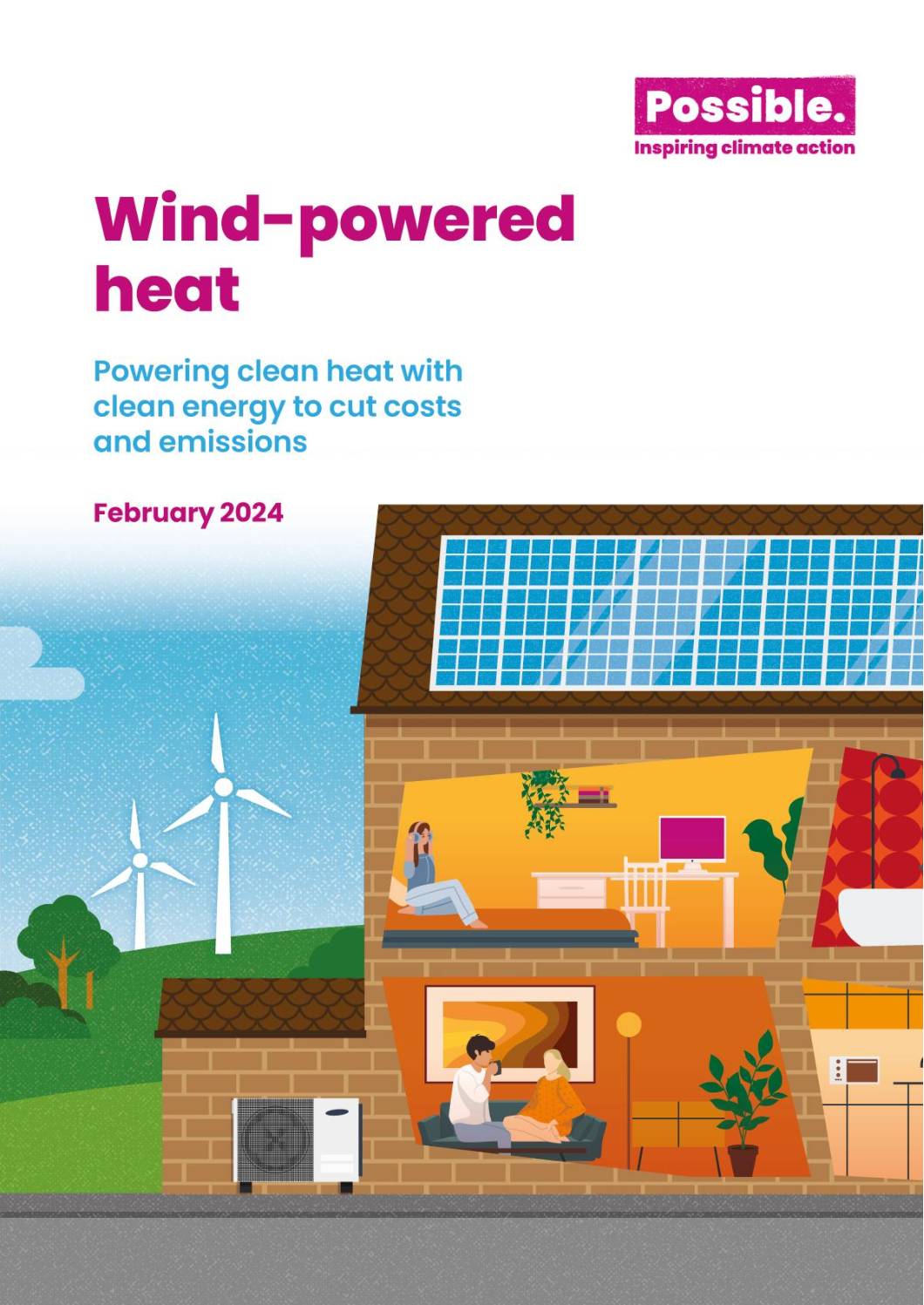
Wind-powered Heat: Powering Clean Heat with Clean Energy to Cut Costs and Emissions (February 2024)
Wind Development in England – The Challenge (March 2023)
Download (PDF, 226KB) Wind Development in England – The Challenge (March 2023)
A Comparison of the Financial Benefits Arising from Private and Community Owned Wind Farms (June 2021)
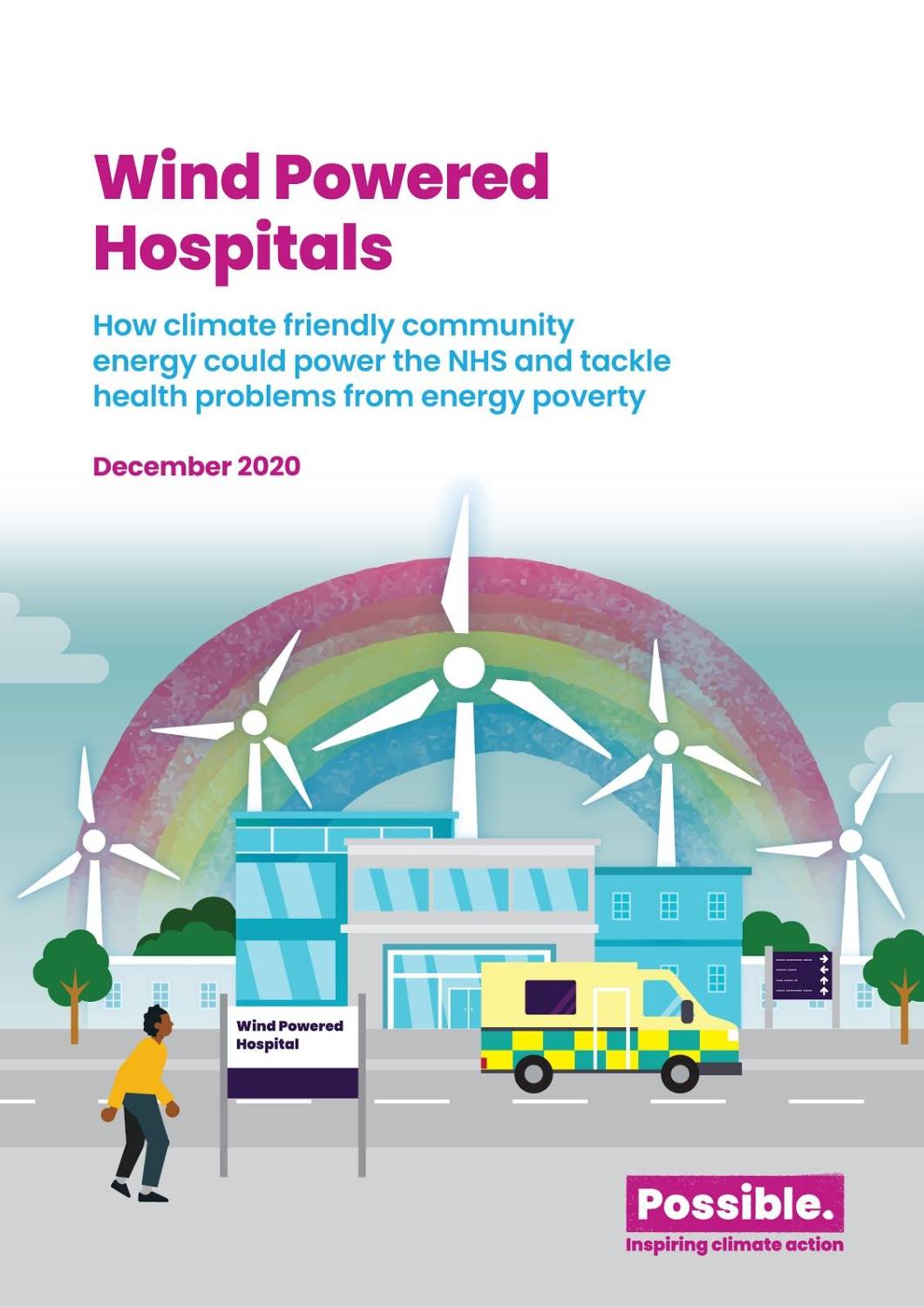
Wind Powered Hospitals: How Climate Friendly Community Energy Could Power the NHS and Tackle Health Problems from Energy Poverty (December 2020)
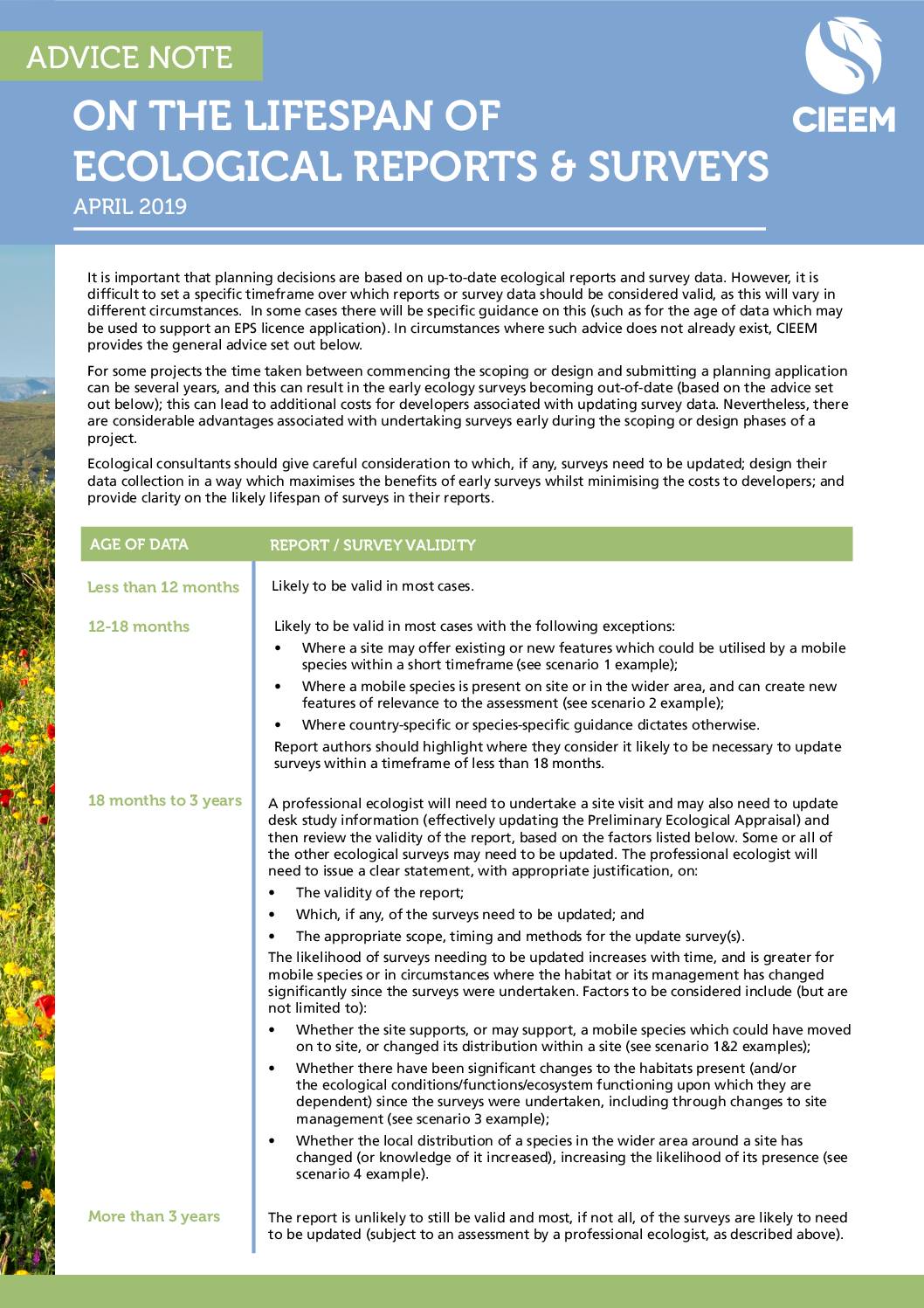
Advice Note on the Lifespan of Ecological Reports and Surveys (April 2019)
Download (PDF, 924KB) Advice Note on the Lifespan of Ecological Reports and Surveys (April 2019)