
How-to guides
Information, advice, and resources about a wide range of subjects
This section has lots of content related to community energy; the aim is for you to work through the guides in sections that are relevant to you. The areas covered are designed to help groups just starting out in community energy, as well as more experienced practitioners and sector stakeholders.
To get the most relevant how-to guides for you, please select which option best describes your community energy work.
-
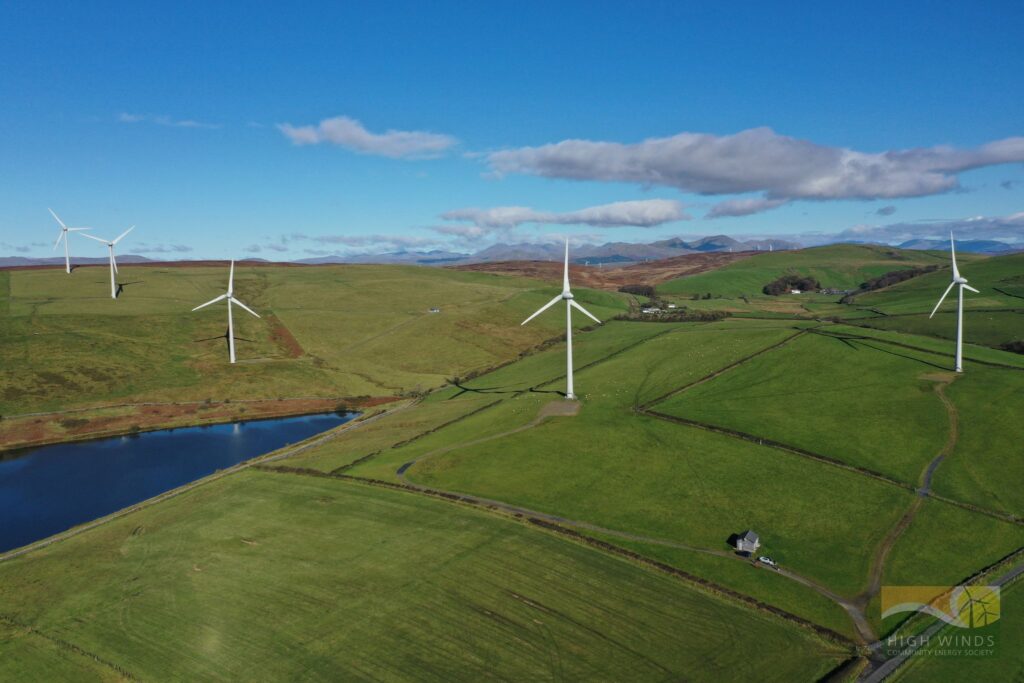
Community wind
Onshore wind is the cheapest source of new electricity in Britain, and after nearly a decade of effective prohibition in England it is being built again. Community ownership is what turns a wind project from something done to a place into something done by it, and it keeps the money local. This page explains where onshore wind policy now stands, how to work out whether your area could host a turbine, where to find funding and expertise, and how to connect with other people doing the same thing through our Wind Working Group. -
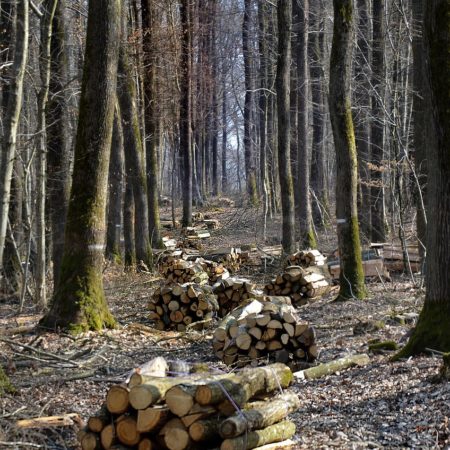
Low carbon heat
Heat can be generated by burning biomass (usually wood or sometimes food waste), using ground source or air source heat pumps or by using heat-generating solar panels. These technologies, particularly when coupled with energy efficiency interventions can create huge benefits and increased levels of comfort for people and places. -

Flexibility & network services
Definition of flexibility (from Project LEO) A flexibility provider is a user who provides flexibility services by making temporary changes to the way they consume, generate, or store electricity when requested, to support a more efficient use of the energy network. Distribution network operators’ (DNOs) requirements and auctions -